Quick answer
The best learn to read apps, by how often the top guides agree on them, are Starfall (5 of 7 guides), Teach Your Monster to Read and Hooked on Phonics (4 of 7 each). For free, start with Khan Academy Kids; for a structured program a parent leads, choose Hooked on Phonics or Reading.com.
We earn from qualifying purchases made through links on this page. How this works
Which phonics apps do the top guides recommend most?
| App | Top guides recommending it | Ages | Cost (as of November 2026) | Platforms | Ads / in-app purchases | Works offline? | Approach |
|---|---|---|---|---|---|---|---|
| Starfall Learn to Read | 5 of 7 | Pre-K to early grades | Learn to Read section free; Home membership $35/year | Web, iOS, Android | No ads | Website and main Starfall app need internet; Starfall’s separate single-topic apps work offline (Starfall help) | Sequential phonics with songs, games and short books |
| Teach Your Monster to Read | 4 of 7 | About 3–6 | Free on computers; $8.99 one-off on iPhone/iPad and Google Play (a subscription version for new users is coming, Amazon first) | Web, iOS, Android, Amazon | No ads, no in-app purchases (iOS) | Not stated by the maker | Phonics game, made with Roehampton University; follows UK systematic synthetic phonics phases |
| Hooked on Phonics | 4 of 7 | 3–8 (Pre-K to grade 2) | Subscription; App Store plans $6.99–$14.99/month or $29.99–$79.99 for 6–12 months; 7-day free trial | iOS, Android, Kindle Fire | No ads mentioned; subscription | Downloaded lessons only (help centre) | Structured, one sound at a time; monthly printed workbooks and storybooks |
| Reading Eggs | 3 of 7 | 2–13 (core program 3–7) | $9.99/month or $69.99/year; first month free | Web, iPad, Mac, Android | No ads mentioned; subscription | No: the App Store listing names a wireless internet connection as a requirement | Phonics lessons plus books; its Fast Phonics strand is described by the maker as systematic synthetic phonics |
| Khan Academy Kids | 3 of 7 | 2–8 | Free | iOS, Android, Amazon, Chromebook | No ads, no subscriptions | Yes, once books and games are downloaded (App Store) | Broad early-learning app with phonics, sight words and books |
| Reading.com | 3 of 7 | 3–8 | $12.49–$14.99/month or $74.99/year; free trial | iOS, Android | Ad-free; subscription | Not stated in the store listings (printable activities for off-screen practice) | Scripted phonics lessons that a parent does with the child, plus decodable e-books |
| Bob Books Reading Magic #1 | 3 of 7 | About 3–5 | $2.99 one-off | iPhone, iPad (also Amazon) | No ads, no in-app purchases | Not stated by the maker | Drag-and-drop letter sounds and blending of short words |
“Top guides” means the seven independent pages we compared; the full list and tally are in our research notes. Costs, ages, platforms, ads and offline use come from each app’s own store listing, site or help pages (checked November 2026). Prices change often, so the store shows the current one before you pay.
What makes a good phonics app?

The research on how children learn to read is clearer than the app stores suggest. Use these five checks before you pay for anything.
1. It teaches phonics explicitly and in order. In 2000 the National Reading Panel, set up at the request of Congress, named explicit phonemic-awareness instruction and systematic phonics among the core parts of effective reading teaching. Systematic means letter sounds are taught in a planned sequence and practised until they stick, not met at random. A good app tells you its sequence and starts with a few high-use sounds that can quickly make words.
2. It gives corrective feedback. In 2025, a panel of speech pathologists at Flinders University appraised 309 apps that claim to teach phonics or phonological awareness. They rated almost one in five as poor and recommended only 85, about 27%. Most apps did not teach explicitly, did not follow a structured sequence for letter sounds, and did not correct mistakes. Some even mispronounced the sounds. When you try an app, get a sound wrong on purpose and see what happens.
3. Star ratings are not a guide. The same study found no meaningful link between app-store star ratings and the experts’ ratings. Popular apps tended to be the good-looking, engaging ones, not the ones most likely to teach reading.
4. Your child is thinking, not just tapping. Psychologists Kathy Hirsh-Pasek and colleagues proposed four marks of a genuinely educational app: children are actively thinking, engaged with the task rather than distracted by rewards, learning something meaningful to them, and interacting with other people. That last one is where you come in.
5. It is honest about money and attention. Look for no third-party adverts, no surprise in-app purchases, and controls that let you see progress. Every app on this list is ad-free by its maker’s own description.
Phonics first, sight words second. Some apps lead with lists of “sight words” to memorise. The reading specialist behind Reading Simplified warns against drilling these before a child can sound out simple words, and most common words are at least partly decodable anyway. If you want an app for sight words, choose one that shows how the letters map to sounds rather than treating the word as a picture.
What does each recommended app offer?
Starfall Learn to Read: best free starting point

Recommended by 5 of the 7 top guides we compared.
Starfall is a non-profit site that has been teaching letters and sounds for years, and its four-step reading path (ABCs, Learn to Read, It’s Fun to Read, I’m Reading) is, in Starfall’s words, “free for every child, forever”. It has no advertising. A Home membership costs $35 a year (as of November 2026) and unlocks more than 700 activities, games and books across the website and apps, including maths.
Good for: a free, gentle introduction to letter sounds and short vowels, ages roughly 3 to 6. Keep in mind: several guides describe the look as dated, and it works best as practice rather than as a complete program.
Teach Your Monster to Read: best phonics game
Recommended by 4 of the 7 top guides we compared.
Children design a monster and take it on a journey, collecting letter sounds, blending short words and reading little books along the way. It is made by Teach Your Monster, part of the Usborne Foundation, and was designed with academics at Roehampton University. Its App Store listing says it covers phases 2 to 5 of England’s “Letters and Sounds” programme and other systematic synthetic phonics programs, suits ages 3 to 6, and has no adverts or in-app purchases.
Cost: free in a web browser on a laptop or desktop; $8.99 as a one-off purchase on iPhone and iPad, and the same on Google Play (as of November 2026). It is also sold on the Amazon Appstore. In October 2026 the maker announced a new, adaptive version that comes to the Amazon Appstore first and will be a subscription for new users; people who already own the app get it free, and the web version stays free on computers. Keep in mind: the voices use British pronunciation, which some US parents notice. It is practice, not a full curriculum, and Learning Reading Hub suggests using it alongside one.
Hooked on Phonics: best structured program with printed books
Recommended by 4 of the 7 top guides we compared.
Hooked on Phonics has been around since the 1980s and is the most traditional program on this list. The app teaches one sound at a time through short videos, songs and games, and a subscription adds monthly Practice Packs: according to the company’s FAQ, each pack holds a phonics workbook, two or three storybooks matched to the lessons, and stickers, mailed to your home. One subscription covers up to three learners, and the company says it is designed for ages 3 to 8, from Pre-K to the end of second grade.
Cost: the app is free to download with a 7-day free trial; the App Store lists subscription options from $6.99 to $14.99 a month and $29.99 to $79.99 for longer terms (as of November 2026). On the company’s own pricing page, the Complete Phonics plan, which bundles the app with the monthly Practice Pack and free US shipping, costs $23.96 a month as of November 2026, with the first month at half price. A version that adds two extra decodable books each month costs $29.94, and one that adds a monthly maths workbook and storybooks costs $31.99. The company also sells app-only plans at $14.99 for one month, $69.99 for six months or $129.99 for a year. Extra Practice Packs for a second or third child are $9.99 a month each, according to its FAQ. Platforms: iPhone and iPad, Android and Kindle Fire. Keep in mind: it stops at about second-grade level, and some reviewers find the pace quick for younger children.
Reading Eggs: broadest program for a range of ages
Recommended by 3 of the 7 top guides we compared.
Reading Eggs is really several programs in one account: Reading Eggs Junior (ages 2–4), Reading Eggs (3–7), Fast Phonics (5–10) and Reading Eggspress (7–13), according to its App Store listing. The maker describes Fast Phonics as a systematic synthetic phonics program, and the account includes a large library of e-books. Up to four children can share one family subscription.
Cost: $9.99 a month or $69.99 a year on the App Store; with the Mathseeds maths program added, $13.99 a month or $99.99 a year. New monthly subscribers get the first month free (as of November 2026). It is also on Google Play, free to download with the subscription bought inside the app. The Reading Eggs website sends visitors to a country-specific site, so check the price shown for your country when you sign up on the web. Keep in mind: the reward screens are busy, and one guide suggested they can distract some children. Its sight-word game should come after a child can sound out simple words.
Khan Academy Kids: best completely free app
Recommended by 3 of the 7 top guides we compared.
From the non-profit Khan Academy, this app is “100% free” with “no ads, no subscriptions” and is built for ages 2 to 8. Reading content runs from letter recognition and letter sounds through phonics, rhyming, sight words, spelling and simple comprehension, alongside maths and handwriting. Khan Academy says it was created with learning experts at Stanford and that lessons map to the Common Core and the Head Start Early Learning Outcomes Framework. It runs on iOS, Android, Amazon devices and Chromebooks.
Keep in mind: it is a whole early-learning app, not a dedicated phonics course. Learning Reading Hub points out that it is not a systematic synthetic phonics program. Use it as free extra practice next to something more structured.
Reading.com: best for a parent who wants a script
Recommended by 3 of the 7 top guides we compared.
Reading.com is designed for an adult and child to use together. Each lesson is fully scripted, so you do not need teaching experience: you read the prompts, your child answers, and the lesson ends with a decodable e-book you read together. The current App Store listing describes 120 step-by-step phonics lessons, 84 decodable storybooks, 42 videos and 5 games, for ages 3 to 8, and says it is ad-free. (Older reviews mention 99 lessons; the program has grown.)
Cost: $12.49 to $14.99 a month, or $74.99 a year, with a free trial (as of November 2026, App Store). Keep in mind: it needs you there for every lesson. That is its strength, and the reason it will not suit a parent who needs ten minutes to cook dinner.
Bob Books Reading Magic: best first taste of blending
Recommended by 3 of the 7 top guides we compared.
Based on the Bob Books series of very simple readers, this small app has children drag letters into place to build and sound out short words. The App Store listing describes 12 scenes, 32 words and four levels, with no ads and no in-app purchases, for $2.99 (as of November 2026). It runs on iPhone and iPad; Bob Books also links to an Amazon version. We found no Android version.
Keep in mind: it is small and was last updated in 2022. The App Store still sells it and lists iPadOS 11 or later as the requirement (checked November 2026). Think of it as a first week of blending practice, not a program. A sequel (#2) and a free Lite version exist.
Which other reading apps will you see recommended?
- Epic! is a large digital library of children’s books, recommended by three of the guides for reading practice. It does not teach phonics.
- Homer, Lingokids and Duolingo ABC each appeared in one or two guides. All three are free to download from the App Store. Homer is a broad early-learning app for ages 2 to 8 covering reading, maths and more, with memberships listed from $7.99 a month or $59.99 a year as of November 2026. Lingokids is a general games-and-shows app rather than a reading program, with memberships listed from $14.99 a month or $71.99 a year as of November 2026. Duolingo ABC teaches the alphabet, phonics and sight words through short lessons and stories; its listing shows no in-app purchases, but it has not been updated since 2023.
- The apps the research rated highest are different again. The Flinders University panel’s top-rated apps include Hairy Letters, Initial Code and PocketPhonics Stories, as summarised by SPELD SA. None of the seven US guides we compared mentions them. All three are on the US App Store, but none has been updated since 2022. Hairy Letters, from the UK’s Nessy, costs $2.99 and its listing says it uses British English. Initial Code, the official app of the Sounds-Write phonics programme, is free and works on iPad only. PocketPhonics Stories is free to download, with lifetime unlocks of $6.99 or $19.99 or a subscription inside the app (as of November 2026).
Which books and tools pair well with a phonics app?
An app can drill letter sounds, but children become readers by reading real books. The guides we compared, and the reading specialists they draw on, keep returning to decodable books: simple books that use only the letter sounds a child has already learned. Literacy consultant Lindsay Barrett’s guide for Brightly explains how to use them: go through a series in order, practise the few “tricky” words listed at the front, and talk about what the story means.
Bob Books, Set 1: Beginning Readers. The best-known US decodable set and the basis of the Bob Books app above. Twelve short books built around a handful of letter sounds, labelled for ages 4 and up. View on Amazon What’s in each of the twelve books, and how to use them: our guide to Bob Books Set 1.
Phonic Books Dandelion Launchers, Stages 1–7. A decodable series for beginners that introduces only a few letter sounds at a time, and the series Brightly’s literacy consultant uses as her example. View on Amazon More in our guide to Dandelion Launchers.
Teach Your Child to Read in 100 Easy Lessons by Siegfried Engelmann, Phyllis Haddox and Elaine Bruner. A scripted, parent-led book based on Direct Instruction; one of the guides notes it inspired the Funnix program, and it comes up again and again in parent forums. Expect a short daily lesson that you read aloud from the script. View on Amazon Our guide to 100 Easy Lessons explains how the scripted lessons work and where families tend to stall.
Magnetic letters for word building. Building words with letter tiles (“change cat to hat, now to hot“) is central to the speech-to-print approach that Reading Simplified recommends, and it is the off-screen version of what Bob Books Reading Magic does on screen. A set with extra copies of the vowels works best, such as Learning Resources Magnetic Uppercase & Lowercase Letters. View on Amazon
How much screen time is OK for a child learning to read?
The American Academy of Pediatrics’ 2016 policy statement Media and Young Minds recommended limiting screen media for children aged 2 to 5 to about one hour a day of high-quality programming, used with a parent who can help them understand what they see, and avoiding screens other than video chat for children under 18 months.
In January 2026 the AAP replaced its earlier media guidance with a new policy statement, Digital Ecosystems, Children, and Adolescents. The AAP’s announcement does not set a number of minutes. It puts the weight on high-quality media, on parents modelling good habits with their own devices, and on screen-free times such as meals and car journeys, and it still suggests each family make a Family Media Plan.
In practice, a 10- to 20-minute phonics session is a small part of a young child’s day, and it does more good if you are next to your child, repeating the sounds and praising the effort.
What if your child is still struggling after months of practice?
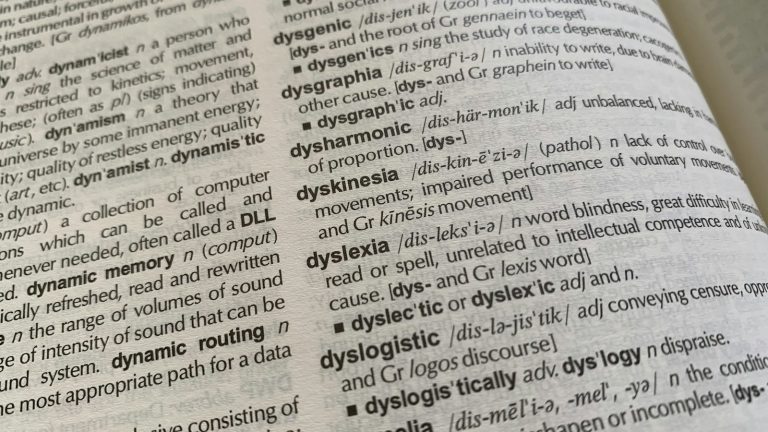
If your child has been practising for months and still cannot hold onto letter sounds or blend simple words, an app is not the answer. Talk to the class teacher or the school’s reading specialist, and read our guide to the Orton-Gillingham approach at home, a structured, multisensory way of teaching reading that is widely used with children who have dyslexia. For more on the whole journey from letter sounds to fluent reading, start at our guide to teaching reading at home.
FAQ
What is the best app to teach a child to read? There is no single best app. Across the seven guides we compared, the most often recommended were Starfall Learn to Read, Teach Your Monster to Read and Hooked on Phonics. For a structured program you lead, look at Hooked on Phonics or Reading.com; for free practice, Khan Academy Kids and Starfall’s Learn to Read section.
Are there good free phonics apps? Yes. Khan Academy Kids is free with no ads or subscriptions. Starfall’s Learn to Read program is free and ad-free. Teach Your Monster to Read is free in a web browser on a computer; the tablet app is a one-off purchase.
What age should my child start a phonics app? Most phonics apps are designed for roughly ages 3 to 7. A child is usually ready when they can sit for a short lesson and are starting to notice letters and their sounds. Many start around 4 or 5, but follow your child rather than the label on the app.
Can an app teach my child to read on its own? Usually not. The research on reading points to explicit, systematic phonics with feedback, and the 2025 Flinders review found most phonics apps lacked both. Treat an app as practice, alongside you and real books.
Should my child learn sight words or phonics first? Phonics. Once children know letter sounds they can work out most new words themselves, and many so-called sight words are partly decodable. Reading specialists warn against memorising word lists before a child can sound out simple words.
Are phonics apps good for children with dyslexia? They can add practice, but they do not replace structured, multisensory teaching such as an Orton-Gillingham approach. If you suspect dyslexia, talk to your child’s school or a reading specialist.
How much screen time is OK for a young child learning to read? The AAP’s 2016 guidance suggested about one hour a day of high-quality screen media for ages 2 to 5, ideally with a parent alongside. Its 2026 policy statement replaced that guidance and does not set a number of minutes; it focuses on high-quality media, parents’ involvement and a family media plan. A short phonics session with you beside your child is a modest amount either way.


Ask a question or share what worked